
Brake pad replacement
Disc brake pads gradually lose friction material. Replacement recommendations should account for measured thickness, evenness of wear, component condition, driving symptoms, and manufacturer specifications.

1818 St. Albans Dr #106, Raleigh, NC 27609

Need Help
919-872-1999When your brakes squeal, grind, vibrate, pull, or simply do not feel right, Creech Import Repair provides careful brake diagnosis and repair for Asian and domestic cars, SUVs, and light trucks. Our Raleigh technicians inspect the system, explain what they find, and recommend the work needed to restore confident stopping performance.
 Local Raleigh Shop • Asian + Domestic
Creech Import Repair provides brake inspections, diagnosis, maintenance, and repair at 1818 St. Albans Drive, Suite 106, Raleigh, NC 27609. Brake service may involve pads, rotors, calipers, brake fluid, hydraulic components, hardware, parking-brake components, or ABS-related diagnosis, depending on the vehicle and inspection findings. The shop is open Monday through Friday, 7:30 a.m. to 5:30 p.m. Call 919-872-1999 or request an appointment online.
A brake noise does not automatically mean that every component needs replacement. Squealing can come from a wear indicator, friction material, hardware, surface condition, or contamination. Vibration may involve rotor thickness variation or runout, but wheel, tire, hub, or suspension conditions can sometimes produce similar sensations. Pulling may be related to uneven friction, a sticking caliper, hydraulic imbalance, tires, or alignment.
That is why a useful brake appointment starts with the symptom and the vehicle—not a preselected package. Creech Import Repair evaluates the system and compares measurable wear with manufacturer specifications before discussing repair options. The objective is to identify the cause, address the safety concern, and avoid replacing unrelated parts.
If your vehicle has additional drivability or warning-light concerns, Creech also provides complete auto repair and automotive electrical diagnosis in Raleigh.

The exact inspection and repair procedure depends on the vehicle design, symptoms, manufacturer information, and technician findings.
A modern braking system combines friction, hydraulic, mechanical, and electronic components. Correcting one symptom may require a simple wear-item replacement, a hydraulic repair, an electronic diagnosis, or a combination of services.
Disc brake pads gradually lose friction material. Replacement recommendations should account for measured thickness, evenness of wear, component condition, driving symptoms, and manufacturer specifications.
Rotors are checked for thickness, scoring, heat damage, runout, and other conditions that can affect new pads or cause vibration. Whether resurfacing or replacement is appropriate depends on specifications and condition.
A sticking piston, seized slide pin, damaged boot, or binding hardware can cause heat, pulling, drag, noise, and uneven wear. The failed component and underlying cause should be identified before repair.
Brake fluid transfers pedal force through the hydraulic system. Its service interval and required specification are vehicle-specific. Fluid condition, service history, leaks, and manufacturer guidance all matter.
An illuminated ABS light can involve a sensor, wiring, tone ring, wheel bearing, module, hydraulic unit, or other fault. Scanning codes is a starting point; testing confirms what actually requires attention.
Vehicles equipped with drum or mechanical parking-brake components may require shoe, drum, spring, cable, actuator, or adjustment work. The design and repair procedure vary by model.
Changes in sound, pedal feel, stopping behavior, smell, or warning lights deserve attention. The symptom can narrow the possibilities, but inspection is required before the cause and correct repair can be determined.
| What you notice | What it can indicate | Recommended response |
|---|---|---|
| Squealing or squeaking | Wear indicator contact, friction material, glazed surfaces, hardware, moisture, or another condition | Arrange an inspection, especially if the noise persists or changes |
| Grinding or metal-on-metal noise | Severely worn friction material, damaged rotor or drum surfaces, binding hardware, or another mechanical fault | Stop using the vehicle if braking is affected; seek prompt professional guidance |
| Pedal or steering-wheel vibration | Rotor variation or runout, hub or wheel conditions, loose or worn components, or related issues | Schedule diagnosis before replacing parts based only on the symptom |
| Vehicle pulls while braking | Uneven brake force, a sticking caliper, hydraulic concern, tire condition, or alignment-related issue | Have the vehicle inspected promptly |
| Soft, spongy, or sinking pedal | Air, fluid loss, hose expansion, master-cylinder trouble, or another hydraulic fault | If pedal travel or stopping ability is abnormal, do not continue driving |
| Red brake or amber ABS warning light | Parking brake engagement, low fluid, a hydraulic fault, sensor or ABS problem, or a vehicle-specific condition | Follow the owner’s manual and obtain diagnosis; treat any change in braking as urgent |
| Burning smell or one unusually hot wheel | Brake drag, a sticking caliper, overheated friction components, or another condition | Stop safely and request professional guidance before continuing |
Do not drive a vehicle that cannot stop normally. If the pedal goes to the floor, braking power is reduced, fluid is visibly leaking, smoke is present, or the vehicle feels unsafe, stop in a safe location and arrange towing or roadside assistance. A website cannot determine whether a specific vehicle is safe to drive.
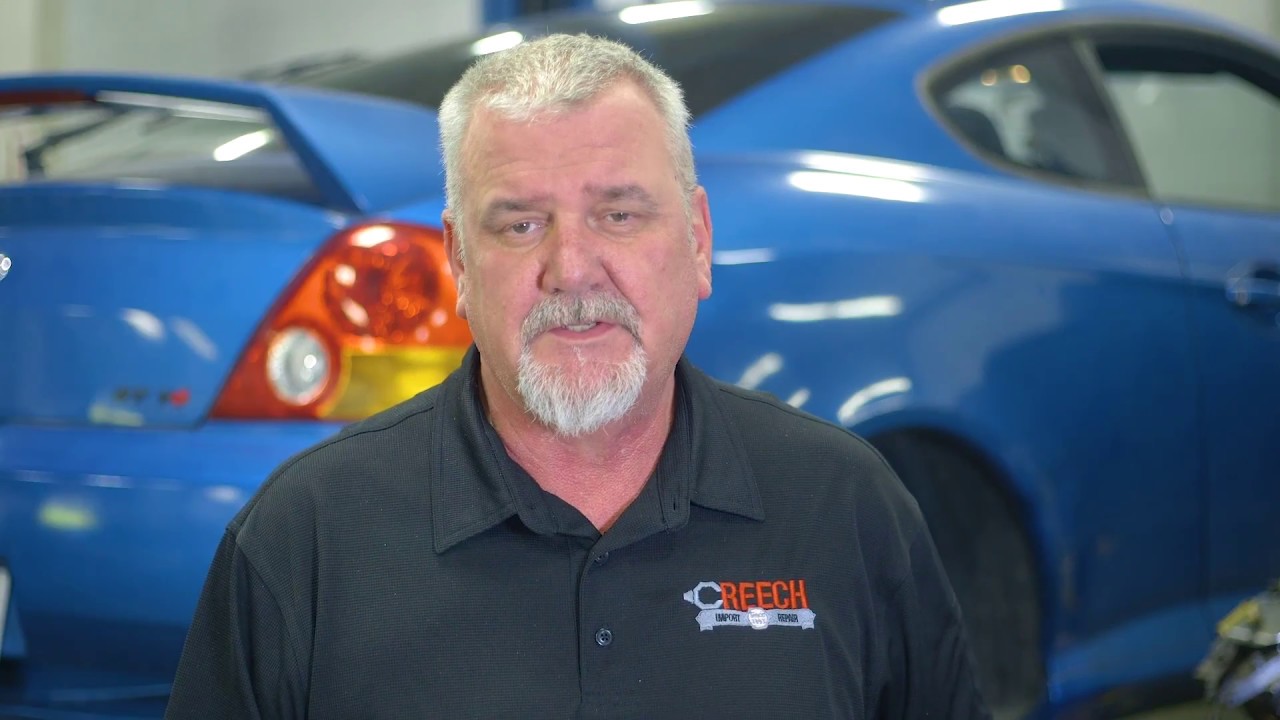
Brake noise is a symptom, not a complete diagnosis. In this video, ASE-certified mechanic Stan Creech discusses common reasons brakes make noise and the components that may be involved, including pads, rotors, and calipers.
Persistent noise should be evaluated in context. A technician may need to identify which wheel is producing the sound, inspect friction material and hardware, measure components, and look for heat, corrosion, binding, or contamination before recommending a repair.
Video: ASE-certified mechanic Stan Creech explains common causes of brake noise.
 ▶
▶
Brake pedal or steering-wheel vibration can have more than one possible cause. Watch this short Creech Import Repair video for an introduction, then schedule an inspection if the vibration is persistent or affects stopping.
The exact procedure changes with the vehicle and concern, but a disciplined process moves from your description of the symptom to inspection, measurement, explanation, repair, and verification.
Tell the service team when the noise, vibration, warning light, pulling, or pedal change occurs.
The technician evaluates relevant mechanical, hydraulic, and electronic parts of the braking system.
Wear and component condition are compared with applicable manufacturer specifications and procedures.
You receive recommendations based on what the inspection reveals before repair work is authorized.
After approved work, operation is checked to confirm the original concern has been addressed.
Not automatically. The correct recommendation depends on the design of the system, measured pad thickness, rotor thickness, surface condition, runout or thickness variation, heat damage, corrosion, and the manufacturer’s service information. A rotor may be suitable for continued use, may qualify for resurfacing, or may require replacement. The answer cannot be determined from mileage alone.
Installing new pads against a damaged or out-of-specification surface can contribute to noise, uneven contact, reduced service life, or an unsatisfactory pedal feel. Conversely, replacing usable components without measurement can add unnecessary cost. A complete evaluation supports a repair that is appropriate for the actual condition.
If one pad is substantially thinner than its partner, the cause may extend beyond normal wear. A binding slide pin, sticking caliper piston, damaged hardware, hose restriction, or another condition can keep one side engaged or prevent even application.
Replacing only the worn friction material without correcting the cause can allow the problem to return. That is why pad wear patterns, hardware movement, caliper function, and heat evidence are useful diagnostic clues.
There is no accurate one-price answer for every vehicle. Brake repair cost depends on the vehicle, axle, component size and design, parts required, extent of wear or damage, diagnostic time, and whether the concern involves friction, hydraulics, hardware, or electronics.
Larger trucks, performance packages, electronic parking brakes, specialty rotors, and vehicle-specific sensors can change parts and labor requirements.
Pads alone may not solve scoring, heat damage, excessive runout, a sticking caliper, a leak, or worn hardware. Inspection defines the repair scope.
Friction formulation, included hardware, rotor construction, fluid specification, and manufacturer procedures affect the final estimate.
Creech Import Repair can provide a vehicle-specific recommendation after the concern and brake system have been evaluated. Call 919-872-1999 with the year, make, model, and symptoms, or request an appointment.
Brake life is not controlled by a universal mileage interval. Two identical vehicles can wear differently because of traffic, trip length, vehicle weight, terrain, towing, wheel and tire setup, driver habits, friction material, and maintenance history.
Frequent stop-and-go travel on Capital Boulevard, Wake Forest Road, Six Forks Road, I-440, and other busy Triangle routes can require more repeated braking than steady highway travel. Carrying heavy loads or towing can add heat. Long periods of storage can allow surface corrosion. A driver who anticipates traffic and leaves adequate following distance may use the brakes differently from someone who regularly brakes late and hard.
The practical approach is to follow the vehicle manufacturer’s maintenance information and have changing symptoms evaluated. Routine service visits also create opportunities to observe wear trends before a noise or pedal change becomes severe.
North Carolina safety-inspection rules include minimum requirements for service brakes and parking brakes. Among other conditions, a vehicle may not pass if braking force is not properly distributed, metal-on-metal lining wear is audible, pedal reserve is insufficient, fluid is low, hydraulic components visibly leak, hoses are visibly damaged, or the parking brake does not hold as required.
A state inspection is not the same as a comprehensive diagnosis of every brake complaint. The state rule generally does not require wheel removal unless metal-on-metal wear is audible. If you hear noise, feel vibration, notice a pedal change, or have another safety concern, request a brake evaluation rather than waiting for the next annual inspection.
Creech Import Repair also provides North Carolina state inspections in Raleigh.
Creech Import Repair services Asian and domestic cars, crossovers, SUVs, and light trucks. Brake-system design and service procedures vary by model, so correct parts identification and manufacturer-specific information matter.
See the complete list of vehicle makes serviced by Creech Import Repair.
“Creech’s gives fantastic service.”— Maxin Will, customer review displayed by Creech Import Repair
“They have always provided fair and reliable service.”— Kailyn Burkholder, customer review displayed by Creech Import Repair
Creech Import Repair was founded in Raleigh in 1993 with a customer-first philosophy. The shop employs ASE-certified technicians, maintains modern repair equipment, invests in training, and services both Asian and domestic vehicles.
Most importantly, brake recommendations should be understandable. You deserve to know what was inspected, what the technician found, which work is being recommended, and why it matters. Learn more about Creech Import Repair’s history and customer-service policy.
Creech Import Repair participates in the FMP Partners Network. Brake pads, rotors, and calipers are among the listed covered service categories for qualifying repairs, subject to the warranty’s terms and eligibility requirements.
A technician needs to measure pad and rotor thickness and inspect wear, scoring, heat damage, corrosion, runout, and surface condition. Some vehicles may need pads only, while others require rotor resurfacing or replacement. Mileage and noise alone cannot establish the correct repair.
Squeaking can involve friction-material characteristics, moisture, surface rust, glazing, hardware, lubrication points, contamination, vibration between components, or normal operating conditions. Persistent, new, or changing noise should be inspected so the source can be identified.
Brake pulsation can result from rotor thickness variation, excessive runout, uneven deposits, heat damage, or corrosion. Wheel, tire, hub, bearing, and suspension conditions can sometimes feel similar. Diagnosis should verify the source before pads or rotors are replaced.
Grinding can indicate metal-on-metal wear or another serious mechanical condition. If stopping performance has changed, the vehicle pulls, the pedal feels abnormal, or you are uncertain about safe operation, do not continue driving. Stop safely and request professional advice or towing.
A soft pedal can be associated with air or fluid loss in the hydraulic system, hose expansion, a master-cylinder problem, brake adjustment, overheated fluid, or another fault. A pedal that sinks, approaches the floor, or accompanies reduced braking requires immediate attention.
Possible causes include uneven friction, a sticking caliper, restricted hose, contaminated pad, hydraulic imbalance, tire condition, or steering and suspension issues. Because the symptom can have multiple causes, inspection is more reliable than replacing parts based on the pull alone.
There is no single interval for every vehicle. Follow the manufacturer’s maintenance schedule and required fluid specification. Service history, test results, contamination, repairs that open the hydraulic system, and vehicle-specific guidance may also affect the recommendation.
A red brake warning may relate to the parking brake, low fluid, a hydraulic concern, or another model-specific condition. An amber ABS light generally indicates a fault in the anti-lock system. Consult the owner’s manual. If either light appears with abnormal pedal feel or reduced braking, stop driving and seek assistance.
Cost depends on the vehicle, axle, brake design, parts, wear, damage, diagnostic requirements, and whether the repair involves pads, rotors, calipers, hydraulics, hardware, or electronics. Creech Import Repair can provide a more meaningful recommendation after evaluating the specific vehicle and concern.
Yes. Creech Import Repair services Asian and domestic cars, SUVs, and light trucks, including Chevrolet, GMC, Ford, and Jeep vehicles, along with Toyota, Honda, Subaru, Nissan, Acura, Lexus, Hyundai, Kia, and other makes.
Brake pads, rotors, and calipers are listed among the service categories covered by Creech Import Repair’s nationwide 3-year/36,000-mile limited warranty. Coverage depends on the specific repair and published warranty terms, so confirm eligibility for your repair order.
Creech Import Repair is located at 1818 St. Albans Drive, Suite 106, Raleigh, NC 27609. The shop is open Monday through Friday from 7:30 a.m. to 5:30 p.m. Call 919-872-1999 or request an appointment online.
Tell Creech Import Repair what you hear, feel, or see, along with your vehicle’s year, make, and model. The service team can help arrange the next step.
1818 St. Albans Drive, Suite 106, Raleigh, NC 27609
Monday–Friday: 7:30 a.m.–5:30 p.m.
For an estimate with the most trusted auto repair shop in Wake County, Creech Import Repair!

At Creech Import Repair, our philosophy is simple: Treat customers with kindness, respect, and honesty, and success will follow. Contact us for any and all of your automotive repair needs.


